How to approach black mold stains on grout and caulk
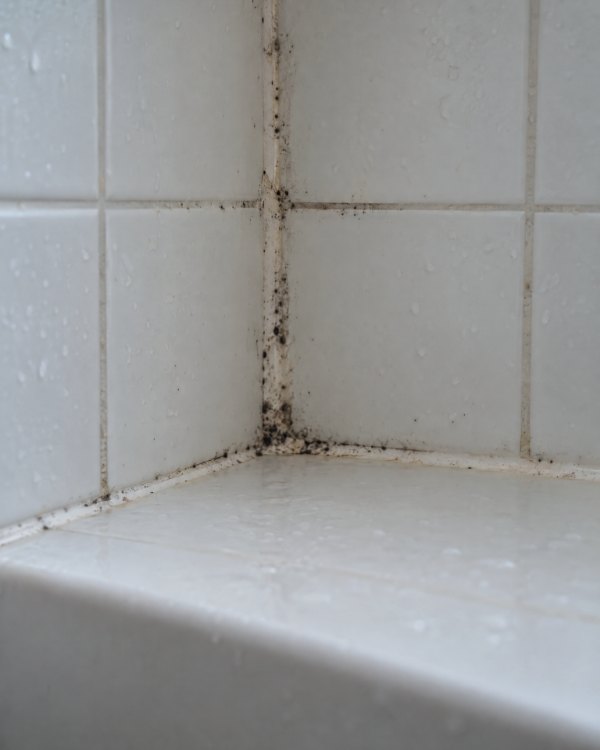
A black line on grout or caulk may be a surface stain, active growth, or a sign that moisture is getting behind the finish. A stain remover can improve the appearance of compatible grout, caulk, and tile, but it is not mold remediation. Start by finding and correcting the moisture source, then decide whether the affected area is small and appropriate for a careful cosmetic cleaning.
Treat moisture as the first problem
Bathrooms repeatedly collect water and humidity. A weak exhaust fan, slow leak, failed caulk joint, or surface that stays wet can keep a dark line returning no matter how often you lighten it. Run the fan during and after showers, dry persistent wet spots, and inspect nearby plumbing and sealant. If caulk is pulling away or water is entering the wall, replacement and repair come before stain treatment.
EPA guidance says the key to mold control is moisture control and notes that a small area under about 10 square feet can often be handled by a homeowner following proper guidance. Widespread growth, sewage-contaminated water, hidden wall damage, significant water damage, or health concerns call for professional or medical advice. People with asthma, chronic lung disease, mold allergy, or immune suppression should not take part in mold cleanup.

What you need
- A confirmed, repaired moisture source before cosmetic treatment
- The Mold Stain Remover Gel physical label and a compatible test area
- Gloves, eye protection, ventilation, and any other protection the label requires
- Clean water and disposable or washable cloths for the label-directed rinse
- Enough time to keep the bathroom out of use for the exact dwell period on the package
The routine
-
Decide whether this is a stain job
Stop before applying product if the area is widespread, keeps expanding, follows a leak, smells strongly musty beyond the visible line, or appears to extend behind tile, drywall, or cabinetry. Those are not cosmetic-cleaning questions. If the issue is a small, localized stain on intact grout, caulk, or tile and the moisture source is controlled, continue with the product label in hand.
-
Ventilate, protect, and dry the surface
Open a window or run an exhaust fan that vents outside. Put on the protective equipment required by the package, and keep children and pets away. Remove loose surface residue in a label-compatible way, rinse away any prior cleaner, and let the grout or caulk dry. Never mix the gel with bleach, ammonia, vinegar, disinfectants, or another cleaning formula.
-
Treat the stain for the label-directed time
Test an inconspicuous spot first. If compatible, apply Mold Stain Remover Gel directly over the stained line, following the physical package for thickness, coverage, and dwell time. Do not improvise a cover, extend the treatment, or add another chemical unless the package explicitly tells you to do so.
Tip: Choose a time when the area can remain dry, undisturbed, and out of use for the full label-directed treatment. -
Rinse as directed and reassess the material
After the label-directed dwell time, remove and rinse the gel exactly as directed, then dry the area. A lighter but persistent shadow may need one more label-directed treatment. Caulk that remains dark below the surface, has separated from the joint, or feels soft is often a replacement job rather than an invitation to keep applying cleaner.

Common mistakes
- Calling every black mark mold: Color alone cannot identify the material. Focus on moisture, location, recurrence, and the condition of the surface.
- Sealing over the problem: Do not caulk or paint over active growth or damp material. Clean, dry, and repair first.
- Treating a recurring leak as a cleaning schedule: If water keeps entering the joint or wall, more stain remover cannot solve the source.
Honest expectation
QUESTIONS.
Do I need to know what kind of mold it is first?
CDC does not recommend routine home mold testing. The practical priorities are safe removal, correcting moisture, and getting qualified help when the scope or health risk is beyond a small household cleanup.
Why does the black line return on new caulk?
Look for a damp joint, poor ventilation, a leak, or caulk that never fully dries. Repeated staining is a reason to investigate moisture, not just repeat product.
Can I combine the gel with bleach?
No. Never mix household cleaning products. Use one product exactly as labeled, rinse it away as directed, and keep the room ventilated.
Keep going
- Get shower glass clear again: separate soap film and mineral spots from a moisture problem
- Remove a hard-water toilet ring: use the bowl-specific routine for a different bathroom mess
- Shop mold and mildew stain care: see the specialist without confusing stain care with remediation