How to organize cleaning supplies under the sink
An under-sink cabinet often becomes an archive of one-off purchases: duplicate sprays, mystery decants, expired labels, and bottles saved for a problem they never solved. A useful reset is not a matching-bin makeover. It is a safety and decision pass: identify every product, dispose of it correctly, keep one specialist for each recurring mess, and avoid rebuilding the pile with automatic purchases you do not need.
Start with the jobs, not the brands
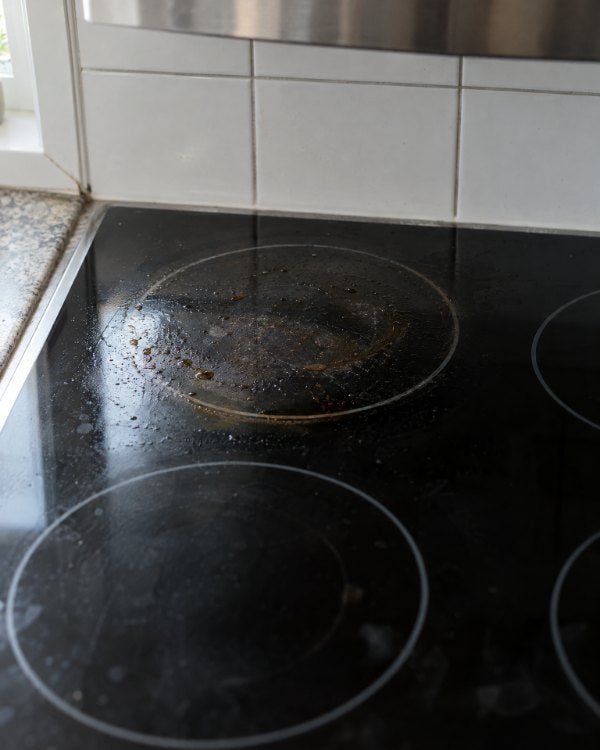
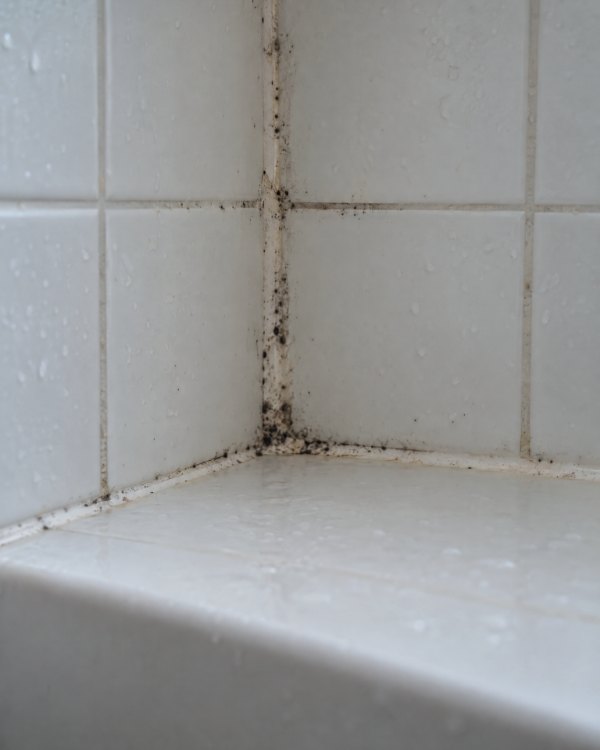
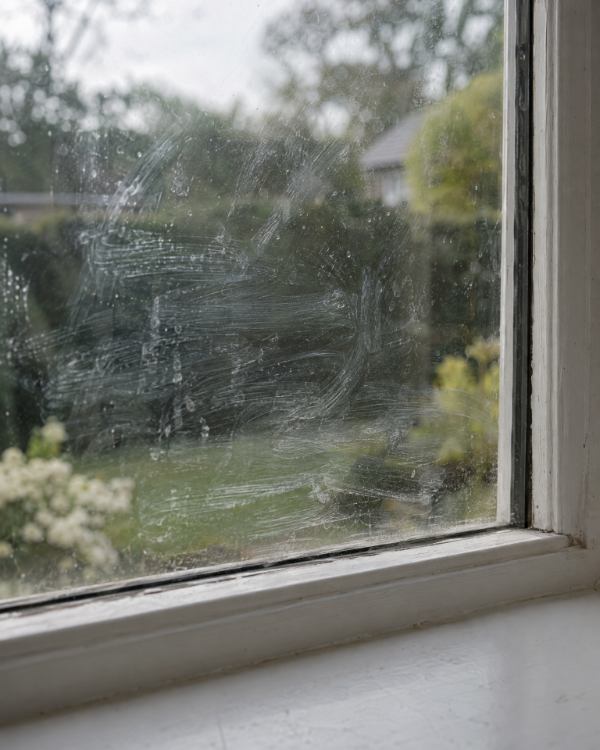
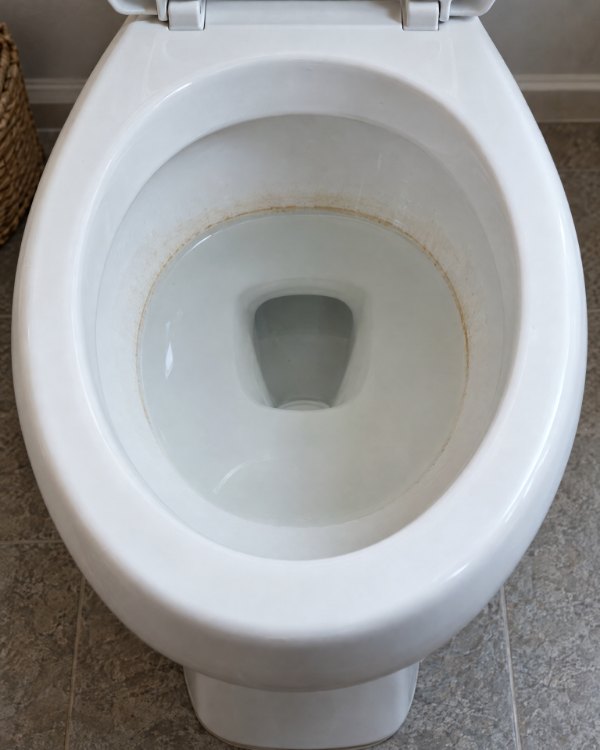
Most homes repeat a short list of hard cleaning jobs: cooking grease, toilet rings, machine odor, mold or mildew staining, and soap film on glass. General wipe-downs are another job, but they do not require five near-identical bottles. Sorting by the mess each product is meant to handle makes duplicates and gaps visible without asking which label looks nicest.
Safety comes before decluttering. Some leftover household products require local household-hazardous-waste handling. Keep every formula in its original labeled container. Do not sniff an unknown bottle, pour products together, decant them, or assume the sink is a safe disposal route.

What you need
- Twenty to thirty uninterrupted minutes
- Gloves for dusty, sticky, or leaking containers
- A box for products that need local disposal guidance
- A cloth and tray to clean and contain the cabinet itself
- A written list of the recurring cleaning jobs in your home
The routine
-
Make the area safe before emptying it
Keep children and pets out of the room. Move food and pet bowls away. Put on gloves, then lift products out one at a time with labels facing you. Do not open anything just to identify it. Isolate a leaking or strongly odorous container and seek local guidance rather than handling an unknown spill casually.
-
Sort into keep, duplicate, and needs guidance
Group products by job. Keep the one whose label matches the surface and mess you actually clean. Set aside duplicates, empties, damaged containers, and unreadable labels. Check the package and your local solid-waste or environmental agency before moving an unwanted product to trash or recycling.
Tip: A mystery bottle is not a bargain. Keep it isolated in a secondary tray while you seek local guidance. -
Choose one specialist per recurring mess
Write down the jobs that truly recur and assign one compatible specialist to each. If two products do the same job, choose one and use it completely before buying another. A bottle with no clear job should not win shelf space by default. Never consolidate leftovers into one container.
-
Return products by risk and frequency
Wipe and dry the cabinet, then place products upright in a leak-containing tray. Keep labels visible and caps closed. Store them away from food and out of reach of children and pets. Put the most-used products where you can reach them without moving or tipping five others.
-
Refill only the singles you actually finish
Kits are one-time starting boxes. Subscriptions belong on eligible singles, not the whole cabinet. If you consistently finish a specialist, choose from the cadence options shown for that eligible single and adjust before stockpiling. Leave infrequently used products as one-time purchases.

Common mistakes
- Pouring leftovers down the sink or toilet: The right disposal method depends on the product and local rules. Read the label and contact the local agency.
- Decanting into matching bottles: Original labels carry use, storage, first-aid, and disposal information. Do not trade that for visual uniformity.
- Subscribing before you know the depletion rate: Start one-time, observe actual use, then automate only the singles you reliably finish.
Honest expectation
QUESTIONS.
Can I recycle an empty cleaner bottle?
Follow the package and your local recycling program. Residue, pumps, mixed materials, and local acceptance rules can change the answer. Never rinse or combine chemicals unless the label directs it.
What should I do with an unlabeled product?
Do not use, mix, smell, or pour it out. Isolate the closed container in a secondary tray and contact your local household-hazardous-waste program for instructions.
Do all X-All products have a refill option?
No. Eligible consumable singles show the refill schedules available for that product. Kits, tools, devices, and wear parts are one-time purchases.
How do I keep the cabinet from getting crowded again?
Use a one-in, one-out rule within each job category, review the shelf before buying, and slow or pause a refill before unopened product accumulates.
Keep going
- Clean baked-on stovetop grease: put the kitchen specialist into a complete surface-aware routine
- Shop all specialists: fill only the job gaps you found during the reset
- See how Subscribe & Save works: choose from the schedules shown on eligible singles